How Fragrance Evokes Memories and Enhances Everyday Life

Fragrance is more than just a pleasant scent; it has the power to evoke memories, influence emotions, and enhance our everyday experiences. From the comforting aroma of freshly baked cookies to the invigorating scent of a pine forest, fragrances can transport us to different times and places. In this blog post, we will explore the fascinating connection between fragrance and memory, how scents can enhance our daily lives, and practical tips for incorporating fragrance into your routine.
The Science Behind Scent and Memory
Fragrance is closely linked to our memories due to the way our brains process smells. The olfactory bulb, which is responsible for our sense of smell, is directly connected to the limbic system, the part of the brain that deals with emotions and memory. This connection explains why certain scents can trigger vivid memories and strong emotions.
How Scents Trigger Memories
When we encounter a specific fragrance, it can evoke memories associated with that scent. For example, the smell of lavender may remind someone of their grandmother's garden, while the scent of fresh-cut grass might bring back memories of summer days spent outdoors. This phenomenon is known as olfactory nostalgia.
Research has shown that scents can evoke memories more effectively than other senses. A study published in the journal Neuroscience & Biobehavioral Reviews found that smells are more likely to trigger autobiographical memories than visual or auditory stimuli. This is because the brain processes smells in a unique way, making them powerful triggers for recalling past experiences.
The Role of Fragrance in Everyday Life
Fragrance plays a significant role in our daily lives, influencing our mood, productivity, and overall well-being. Here are some ways fragrance can enhance your everyday experiences:
Creating a Relaxing Atmosphere
A calming scent can transform your environment into a peaceful sanctuary. Essential oils like lavender, chamomile, and sandalwood are known for their relaxing properties. Diffusing these scents in your home can help reduce stress and promote relaxation.
Practical Tip: Consider using a diffuser with essential oils in your bedroom or living space to create a calming atmosphere. You can also add a few drops of essential oil to your bath for a soothing experience.
Boosting Productivity
Certain scents can enhance focus and productivity. Citrus scents, such as lemon and orange, are known to invigorate the mind and improve concentration. Similarly, peppermint has been shown to enhance alertness and cognitive performance.
Practical Tip: Keep a citrus-scented candle or essential oil at your workspace to help boost your productivity during work hours. A quick whiff of peppermint oil can also provide a refreshing pick-me-up during long tasks.
Enhancing Social Interactions
Fragrance can play a role in social interactions, influencing how we perceive others and how they perceive us. A pleasant scent can create a positive impression and enhance social connections.
Practical Tip: Choose a signature fragrance that reflects your personality. Wearing a scent you love can boost your confidence and make you feel more approachable in social situations.

The Cultural Significance of Fragrance
Fragrance has cultural significance across the globe. Different cultures have unique associations with scents, often using them in rituals, celebrations, and daily life. For example, in many cultures, incense is burned during religious ceremonies to create a sacred atmosphere.
Fragrance in Rituals and Celebrations
Many cultures incorporate fragrance into their rituals and celebrations. In India, for instance, the use of sandalwood and jasmine is common during religious ceremonies and festivals. These scents are believed to purify the environment and enhance spiritual experiences.
Practical Tip: Explore the fragrances associated with your cultural background or those of other cultures. Incorporating these scents into your own rituals can deepen your connection to your heritage.
The Evolution of Fragrance in Society
Throughout history, fragrance has evolved from natural scents used in ancient rituals to the complex perfumes we have today. The ancient Egyptians used fragrances in religious ceremonies, while the Romans popularized scented oils and perfumes. Today, the fragrance industry is a multi-billion dollar market, with countless options available for consumers.
Choosing the Right Fragrance for You
Selecting the right fragrance can be a personal journey. Here are some tips to help you find a scent that resonates with you:
Understand Fragrance Families
Fragrances are categorized into families based on their scent profiles. The main fragrance families include:
Floral: Sweet and romantic scents, often featuring notes of flowers like rose and jasmine.
Citrus: Fresh and zesty scents, including lemon, orange, and bergamot.
Woody: Earthy and warm scents, often featuring notes of sandalwood, cedar, and patchouli.
Oriental: Exotic and spicy scents, including vanilla, amber, and musk.
Understanding these families can help you narrow down your options when exploring fragrances.
Test Before You Buy
When selecting a fragrance, it's essential to test it on your skin. Scents can smell different on your skin than they do in the bottle due to body chemistry.
Practical Tip: Visit a fragrance store and try several scents. Spray a small amount on your wrist and give it time to develop before making a decision.
Consider Seasonal Scents
Some fragrances are better suited for specific seasons. Light, fresh scents are ideal for spring and summer, while warm, spicy scents are perfect for fall and winter.
Practical Tip: Rotate your fragrances based on the season to keep your scent experience fresh and relevant.
Incorporating Fragrance into Your Daily Routine
Integrating fragrance into your daily life can enhance your experiences and create lasting memories. Here are some practical ways to do so:
Scented Candles and Diffusers
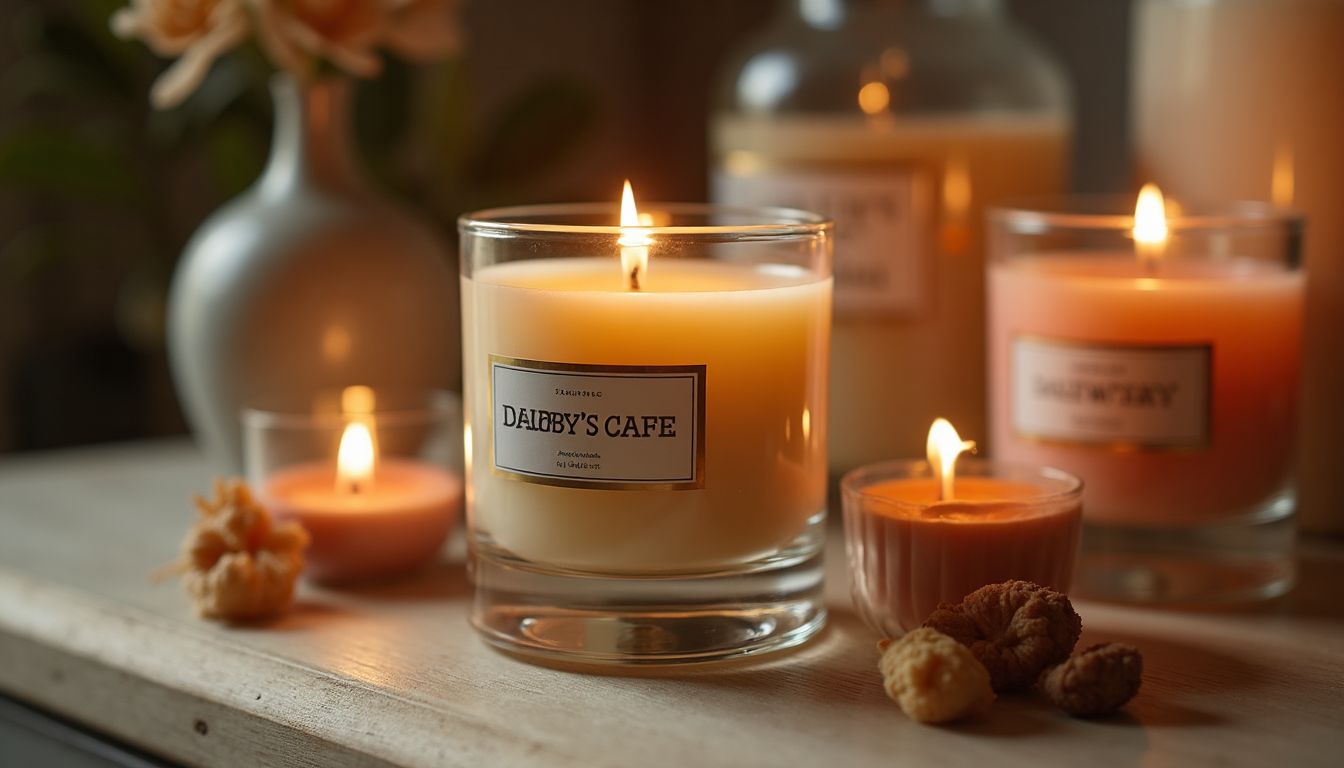
Using scented candles or diffusers can fill your space with delightful aromas. Choose scents that align with your mood or the atmosphere you want to create.
Personal Fragrance
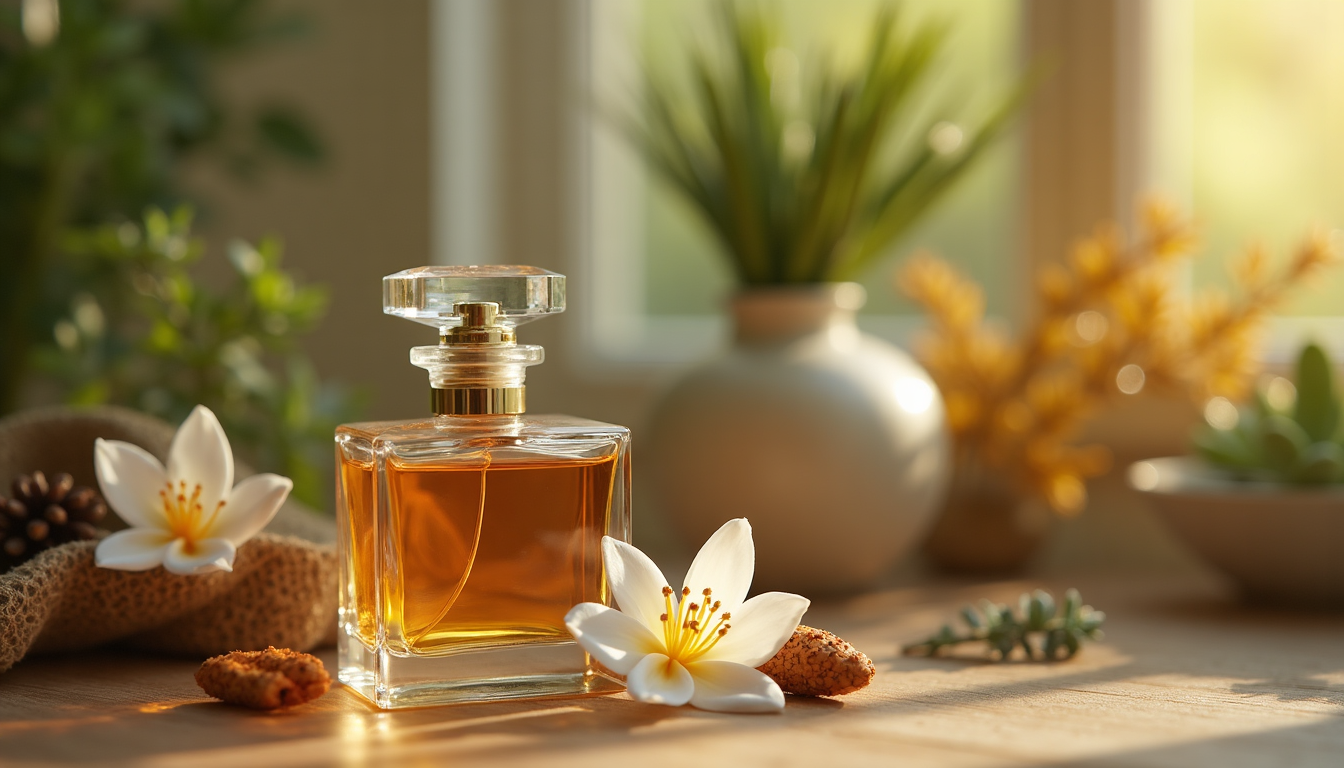
Wearing a personal fragrance can boost your confidence and create a lasting impression. Consider selecting a signature scent that reflects your personality.
Scented Products
Incorporate fragrance into your daily routine through scented lotions, shampoos, and body washes. These products can provide a subtle scent that lingers throughout the day.
Seasonal Fragrance Rituals
Create seasonal rituals around fragrance. For example, during the holidays, you might use scents like cinnamon and pine to evoke the spirit of the season.
Conclusion
Fragrance is a powerful tool that can evoke memories, enhance our daily experiences, and create connections with others. By understanding the science behind scent and exploring different fragrances, you can enrich your life and create lasting memories. Whether you choose to incorporate calming essential oils into your home or wear a signature scent that reflects your personality, the right fragrance can transform your everyday life.
Take a moment to explore the scents that resonate with you and discover how they can enhance your experiences. Embrace the power of fragrance and let it evoke memories and emotions that enrich your life.
Comments